Open-Plan Office Survival
Welcome to the new wall-free workspace. Your personal bubble is about to be breached.

“Step 1: Gather quietly below the roof as leadership reads the 'wall-free synergy' mandate from their private, elevated fortress.”

“Step 2: Settle into your agile pod. Stare intensely at your tablet to avoid acknowledging the man reviewing complex diagrams by your feet.”
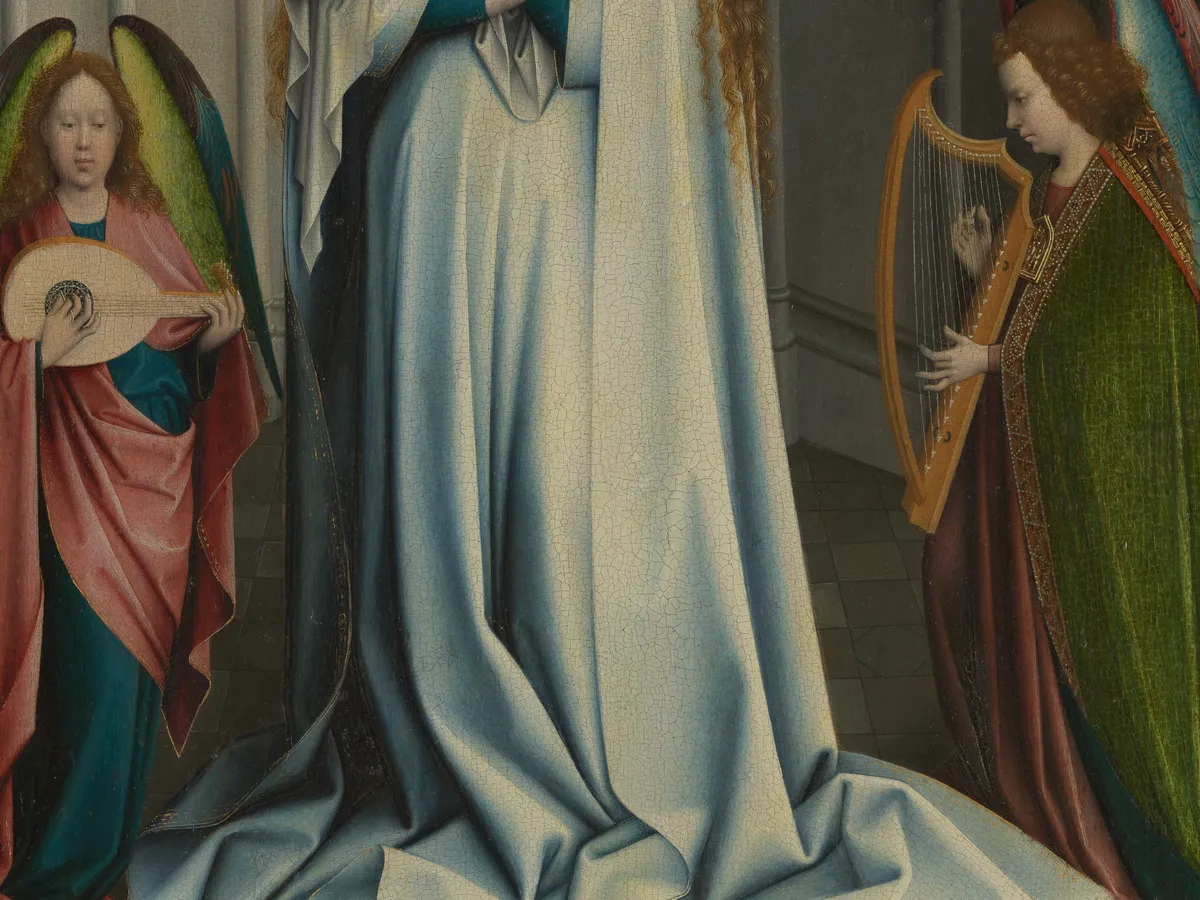
“Step 3: When the workplace culture committee plays the lute and harp inches from your face during a private moment, maintain a professional stare.”
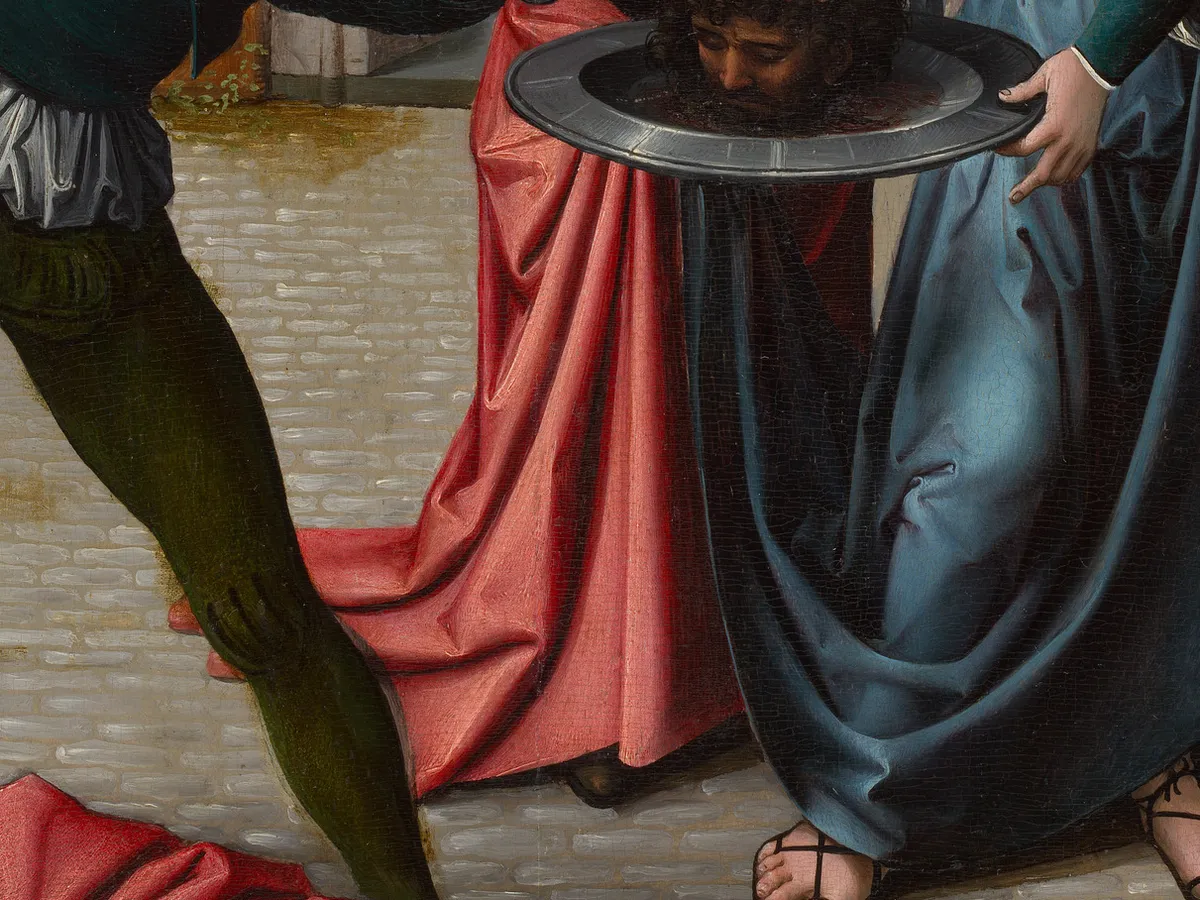
“Step 4: When a coworker casually drops a dead project onto your platter at 4:59 PM, do not make eye contact. You live in the open plan now.”
Public readings from elevated pulpits or structures were essential for disseminating laws or sermons to the medieval public. This physical hierarchy ensured the speaker was heard, though the 'captive' audience below often had little choice but to listen to the mandates of their leaders.
This 1521 woodcut depicts Boethius and Pythagoras, the intellectual giants of the 'Quadrivium' (mathematical arts). Their stacked, cramped framing reflects the medieval practice of 'compilation,' where multiple authorities were squeezed together to provide a complete, if crowded, education.
In late medieval art, 'music-making angels' often crowded intimate scenes to symbolize celestial harmony. The extreme proximity of these lutes and harps to the nursing Virgin reflects the period's lack of private domestic space, where even the most sacred moments were shared with others.
Bernard van Orley’s 16th-century depiction of Salome receiving John the Baptist’s head highlights the Northern Renaissance's penchant for 'domesticating' the macabre. The casual handoff on a platter mirrors the era's desensitization to public executions and grim social duties.