The Petty Grievances of a Medieval Homeowners Association
The new community guidelines just dropped. The neighborhood watch is already in the walls.
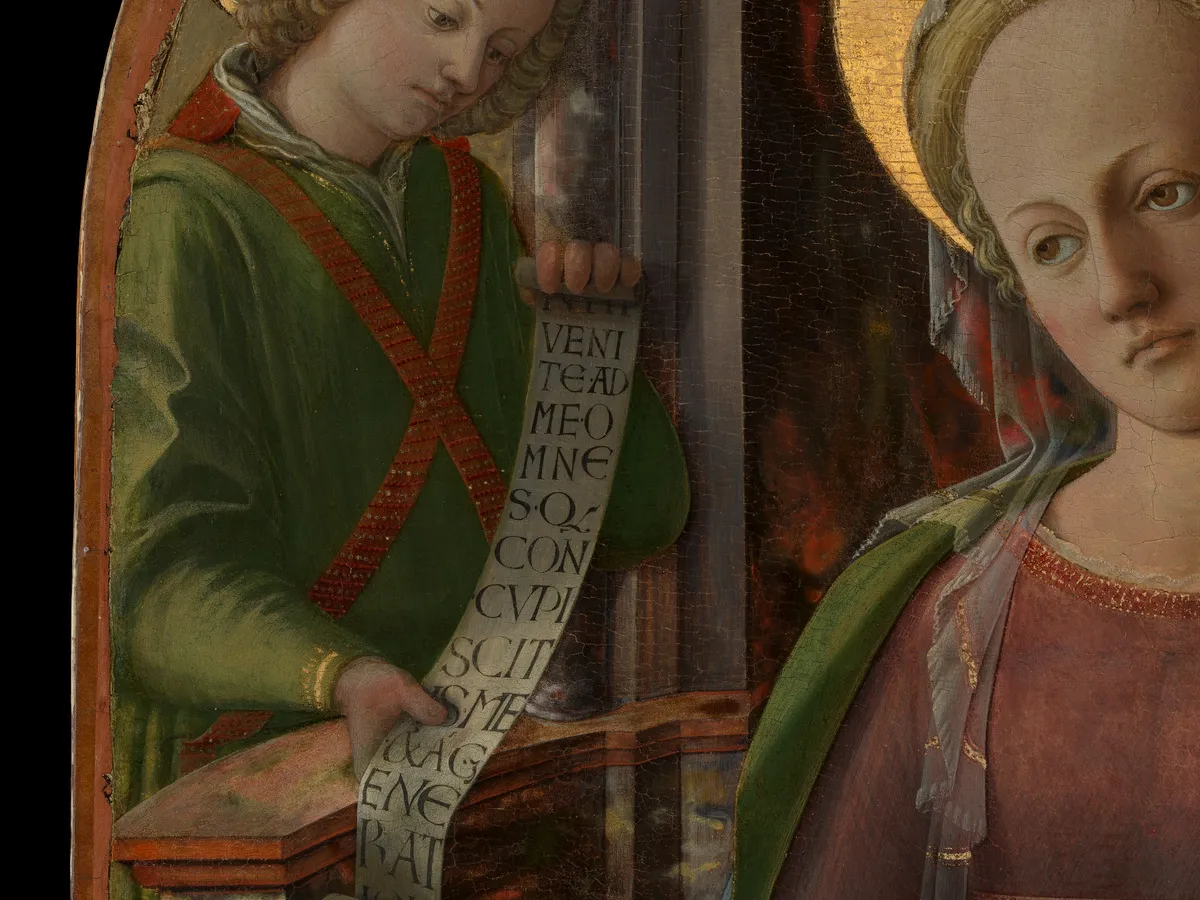
“The HOA secretary proudly unfurls the revised, ninety-page scroll of minor community infractions.”
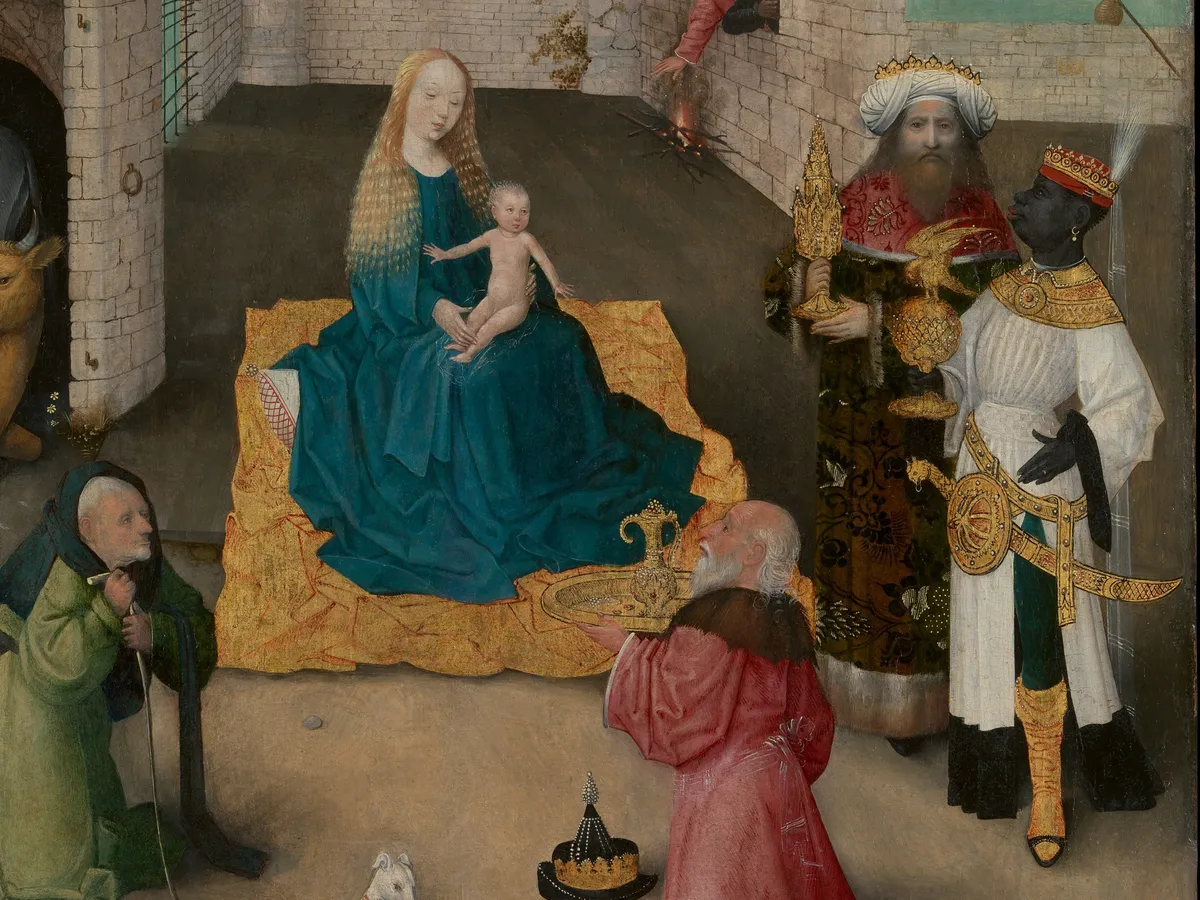
“The self-appointed block watch immediately begins monitoring the courtyard through structural gaps in the masonry.”
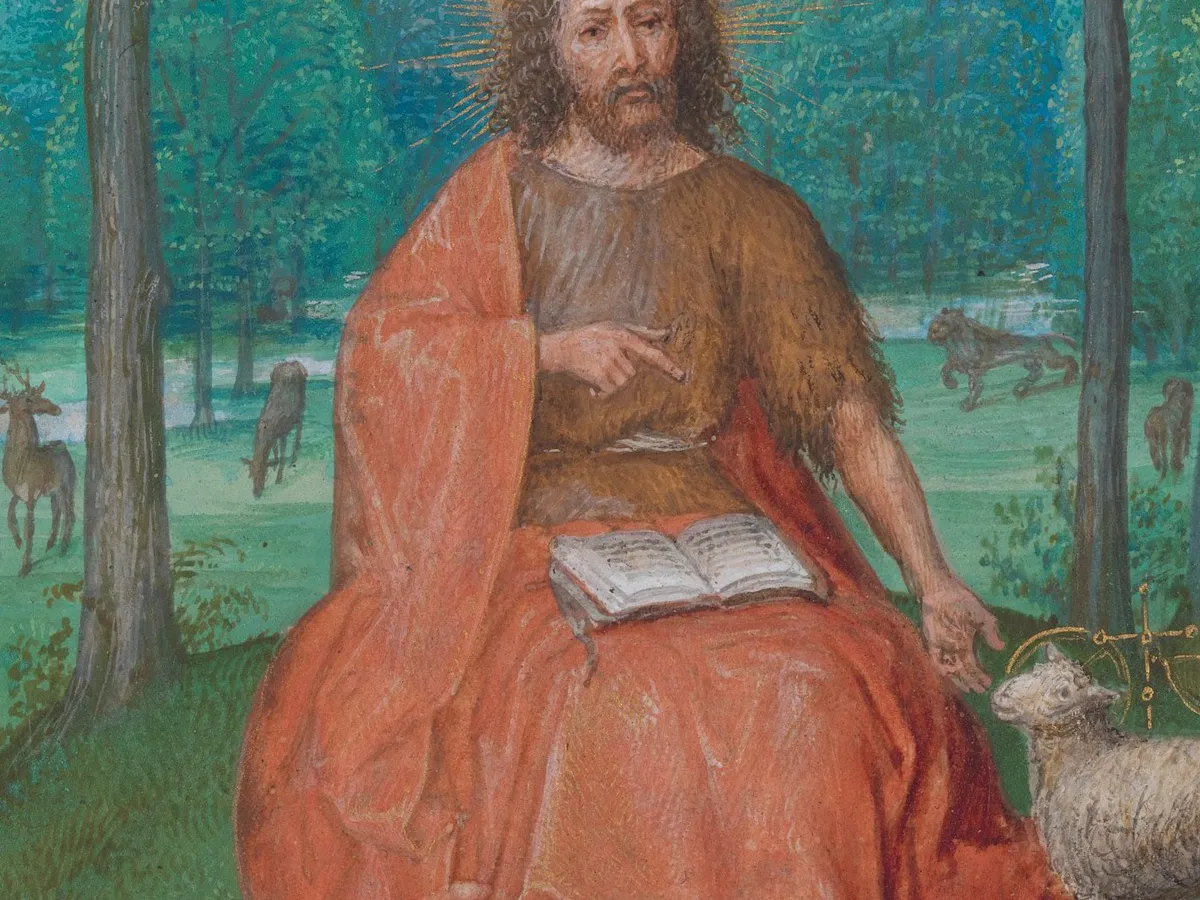
“Meanwhile, the resident of 3B aggressively lectures passersby about why his unleashed emotional support lamb is exempt.”
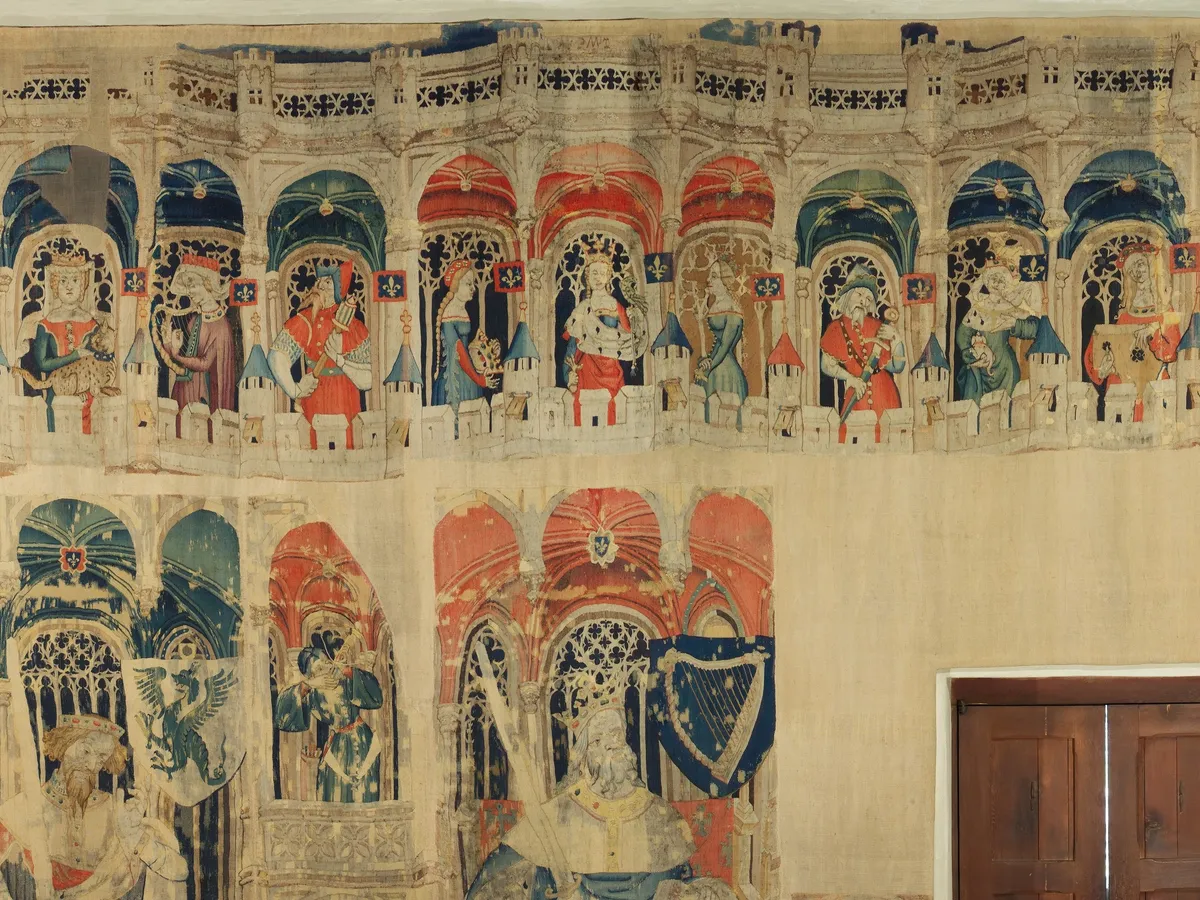
“By dusk, the entire building has retreated to their balconies for a permanent surveillance standoff. The ninety-page scroll is now their only law.”
The scroll held by the angel actually quotes Ecclesiasticus 24:19, an invitation to divine wisdom. In the 15th century, scrolls were powerful visual shorthand for legal authority and sacred law, reflecting a society where written contracts were becoming central to daily urban life.
Bosch’s 'nosy' onlookers likely represent the non-Christian world witnessing the Nativity. In reality, medieval privacy was rare; 'hue and cry' laws required neighbors to actively monitor and report each other's behavior to maintain communal order and safety.
The 'emotional support lamb' is the Agnus Dei, the traditional attribute of St. John the Baptist. While the caption mocks modern pet culture, medieval viewers saw animals as complex allegories; a lamb symbolized purity and the sacrifice of Christ, not a domestic companion.
These 'apartments' are Gothic niches framing the 'Nine Worthies,' legendary heroes like King David. This grid-like tapestry style reflects the medieval 'Mirror for Princes' tradition, using idealized figures to teach moral behavior and social hierarchy to the nobility.