The Tyranny of Modern Leisure and Social Performance
The 6 PM gym rush is a delicate ecosystem. No one is actually exercising.

“We begin our observation with the Armored Gym Bro. He has donned his most expensive plating to stand completely motionless and admire his reflection.”
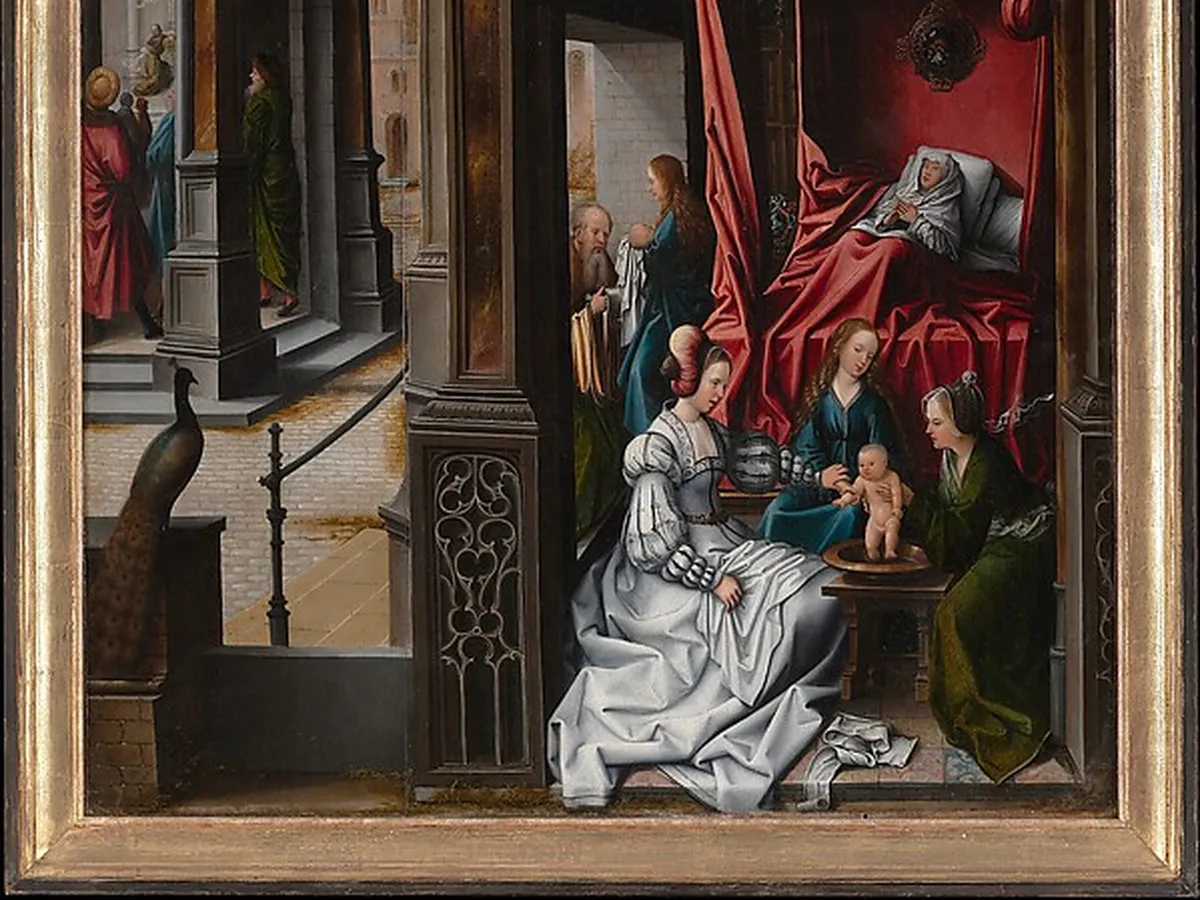
“On the only available bench, a rival male is nesting. He will not lift; he must first transcribe his pre-workout macro-nutrients onto a massive scroll.”
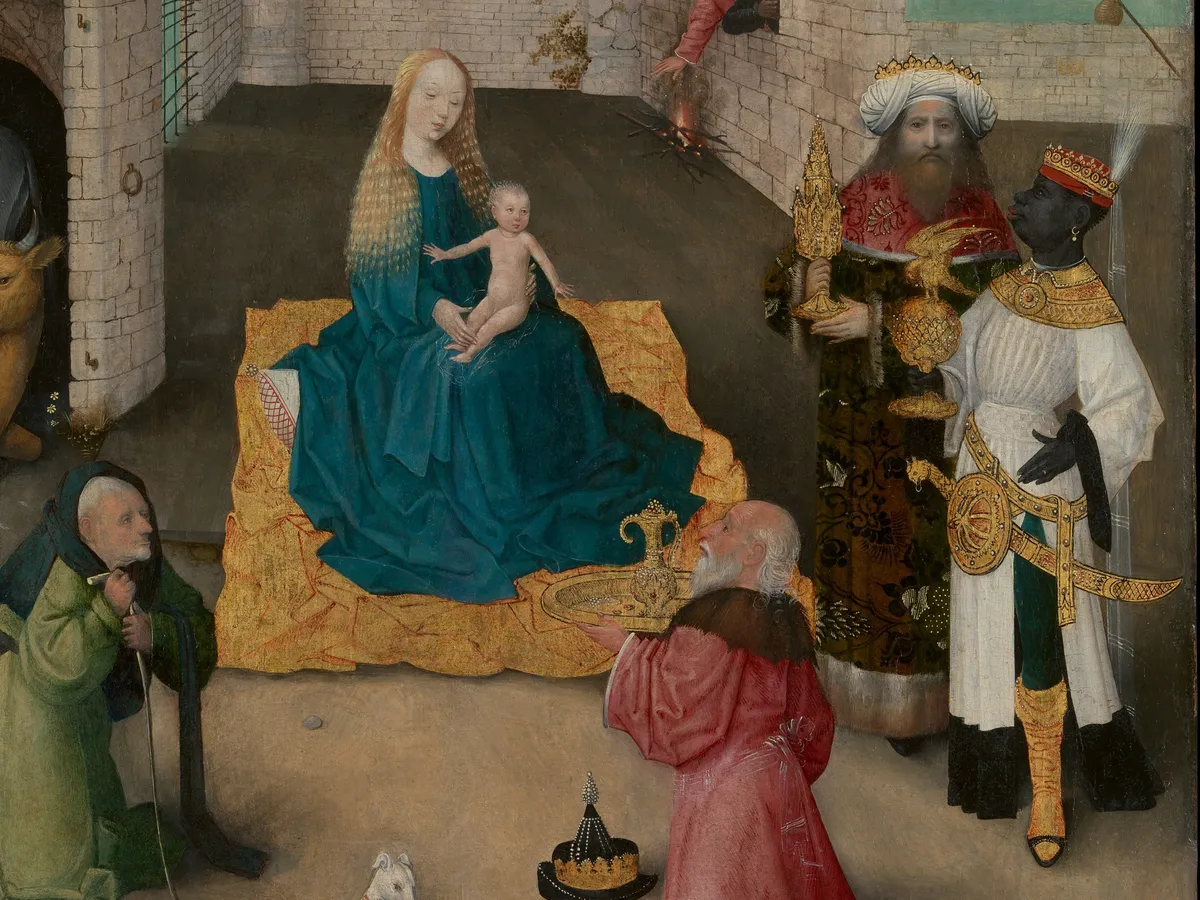
“Danger approaches as the Hoverer appears in the doorway. He wishes to 'work in' on your equipment, deploying an unblinking smirk to establish dominance.”

“But all must yield to the Apex Influencer and his golden hydration chalice. He has held this pose for forty minutes, waiting for the Armored Bro to move out of his shot.”
This 15th-century English stained glass depicts Saint George, the patron saint of chivalry. While the caption mocks his 'expensive plating,' such full plate armor was a high-tech marvel of the era, requiring custom tailoring and significant wealth to project an image of martial readiness.
In this altarpiece by Bernard van Orley, the man 'nesting' with a scroll is Zacharias. Struck mute by an angel, he is writing 'His name is John' to name his newborn son. In the 16th century, scrolls were standard visual shorthand for speech or divine proclamations in silent paintings.
Hieronymus Bosch was famous for tucking voyeuristic figures into the margins of sacred scenes. This 'hoverer' in the doorway likely represents a curious shepherd, though in Bosch's world, such outsiders often symbolize the unredeemed world watching the divine from a distance.
Geertgen tot Sint Jans (whose name reflects his link to the Knights of Saint John) depicts a King in the height of 1480s fashion. The 'golden chalice' is a liturgical vessel, representing a royal offering. Opulent dress was a vital tool for signaling status in the Burgundian Netherlands.