The horrors of customer service and subscription cancellation.
A mandatory tutorial on how to successfully cancel a digital subscription.
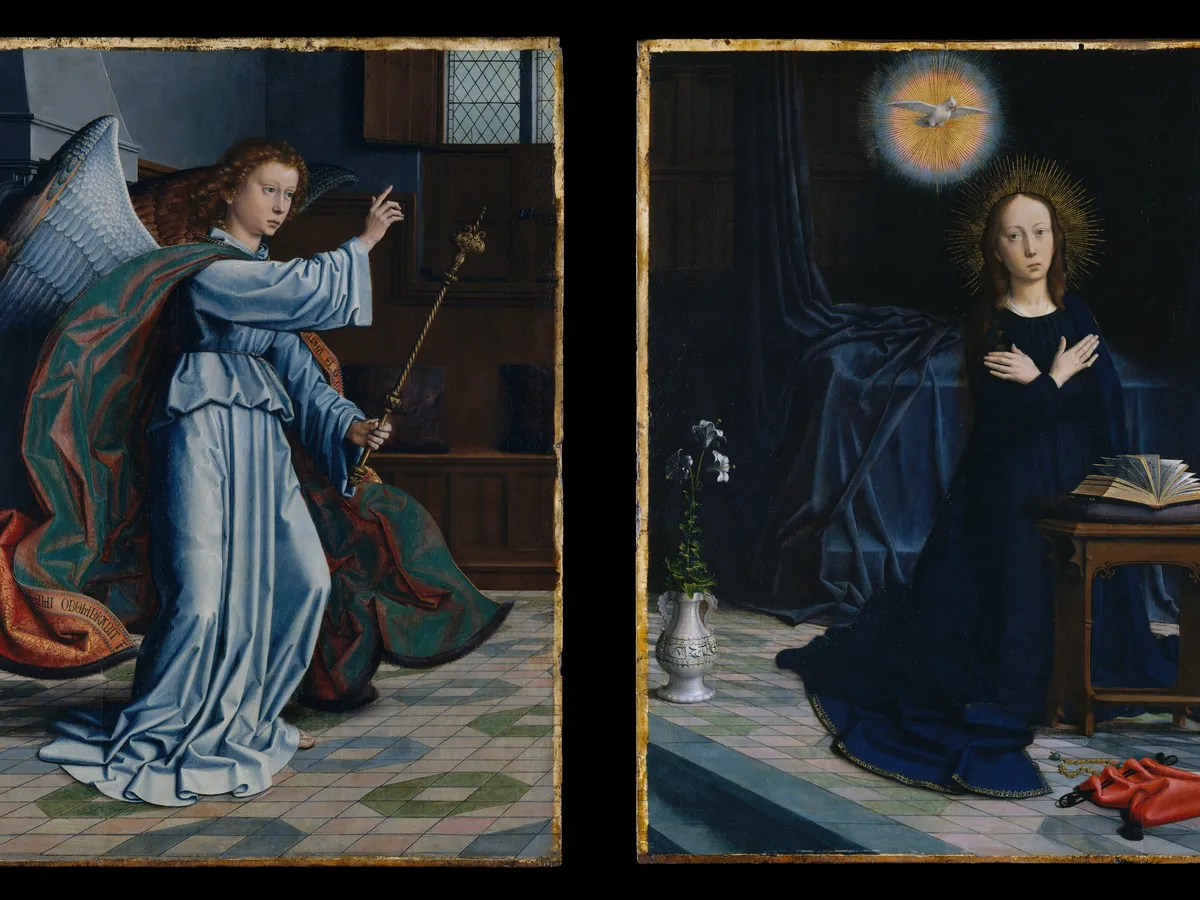
“Step 1: Initiate the cancellation process. Fold your hands defensively and maintain a perfectly deadpan expression as the interface asks if you would prefer to 'pause' your account.”

“Step 2: You will be transferred to a retention specialist. Prepare to forcefully collide with a representative who is armed with a lance and six months of free premium access.”

“Step 3: To verify your identity, you must now crawl on your hands and knees across the giant, razor-sharp sword of two-factor authentication.”
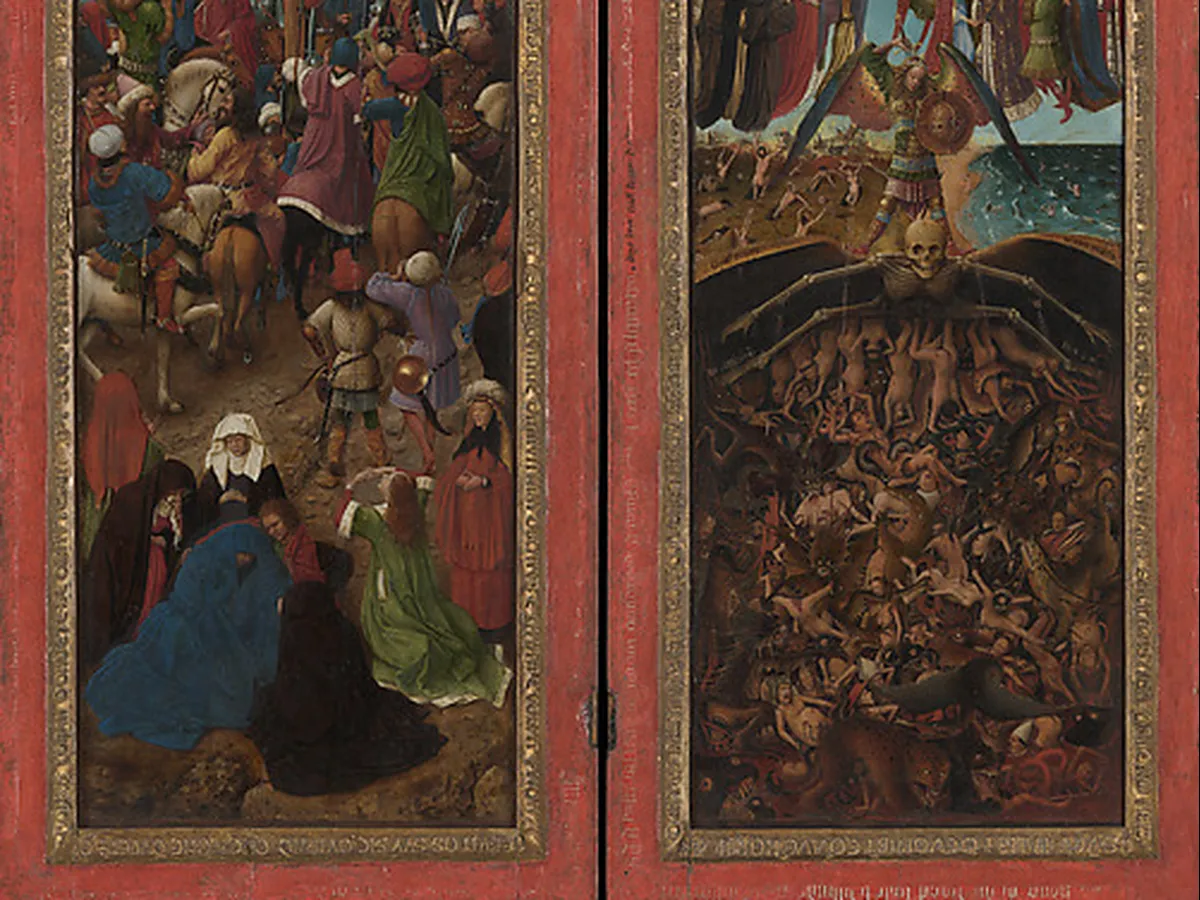
“Step 4: Your request has been escalated. Please join the writhing mass of former subscribers in the eternal queue until the giant skeleton calls your name.”
Commissioned by a wealthy Italian banker, this panel was designed to be viewed from below. Mary’s 'deadpan' look is likely a calculated artistic choice by Gerard David, who adjusted the figures' scale and perspective to account for the viewer's low physical vantage point.
These knights are likely engaged in a 'Joust of Peace' (joute à plaisance). Unlike the 'Joust of War,' participants used blunted lances to minimize injury. Such events were less about combat and more about 'courtly romance'—highly choreographed displays of status for an elite audience.
This ivory carving depicts the knight Lancelot crossing a bridge made of a single giant sword. A staple of Arthurian legend, this 'Sword Bridge' was a literal trial of devotion; Lancelot had to crawl across the razor-sharp blade to prove his worthiness and rescue Queen Guinevere.
Jan van Eyck, court painter to the Duke of Burgundy, used 'microcosmic' detail to render this abyss. The giant skeleton likely represents the inescapable nature of death, while the chaotic sorting of souls reflects the era's preoccupation with divine order and the finality of judgment.