The Exhausting Art of Social Performance
Mandatory corporate offsite, day one. The vibe is already terminal.
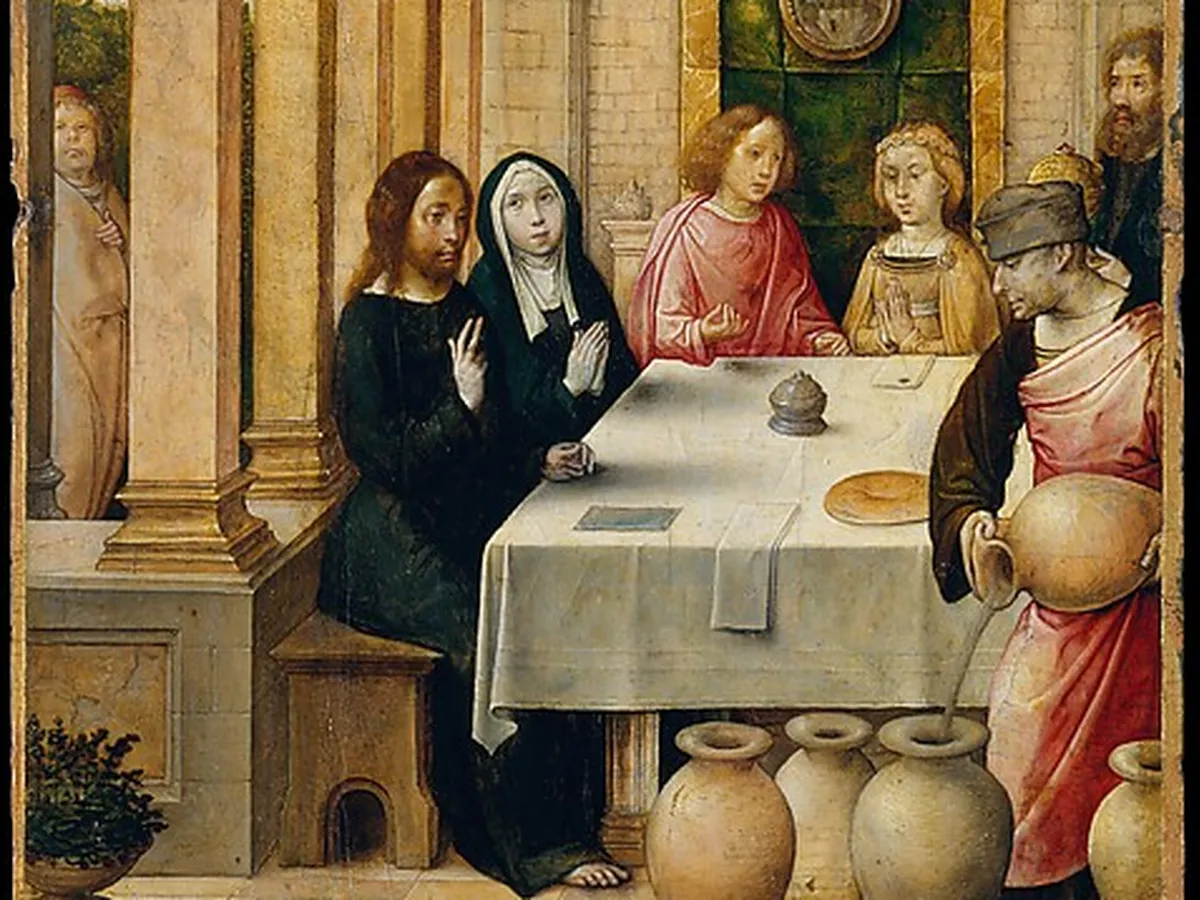
“The mandatory offsite dinner has begun. I am focusing entirely on the physical mechanics of pouring this water so I don't have to speak to anyone.”

“The team-building exercises have escalated. Two directors are violently colliding on horseback, while the rest of us maintain a deadpan gallery stare.”
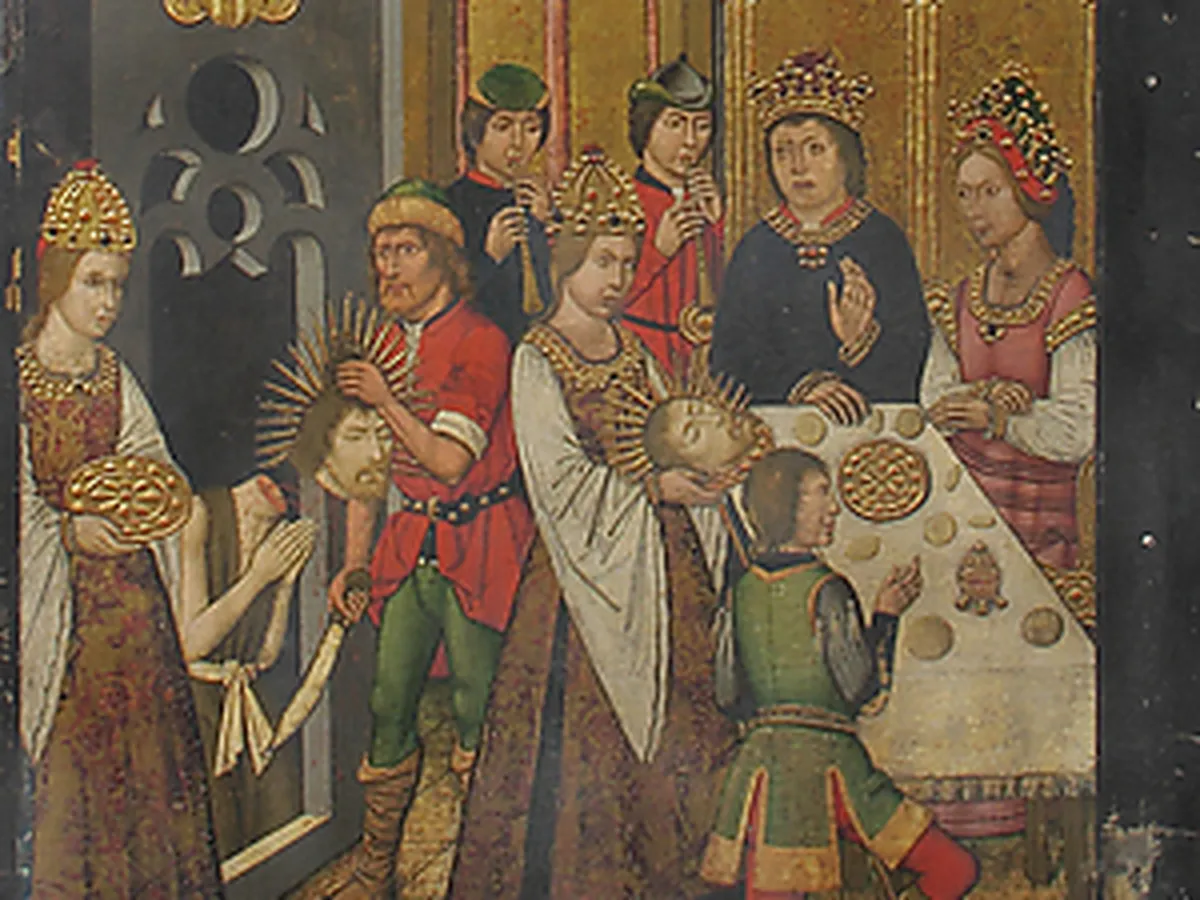
“Dinner is finally served. The waiter presents a literal severed head on a platter, and the executives haven't even stopped chewing.”
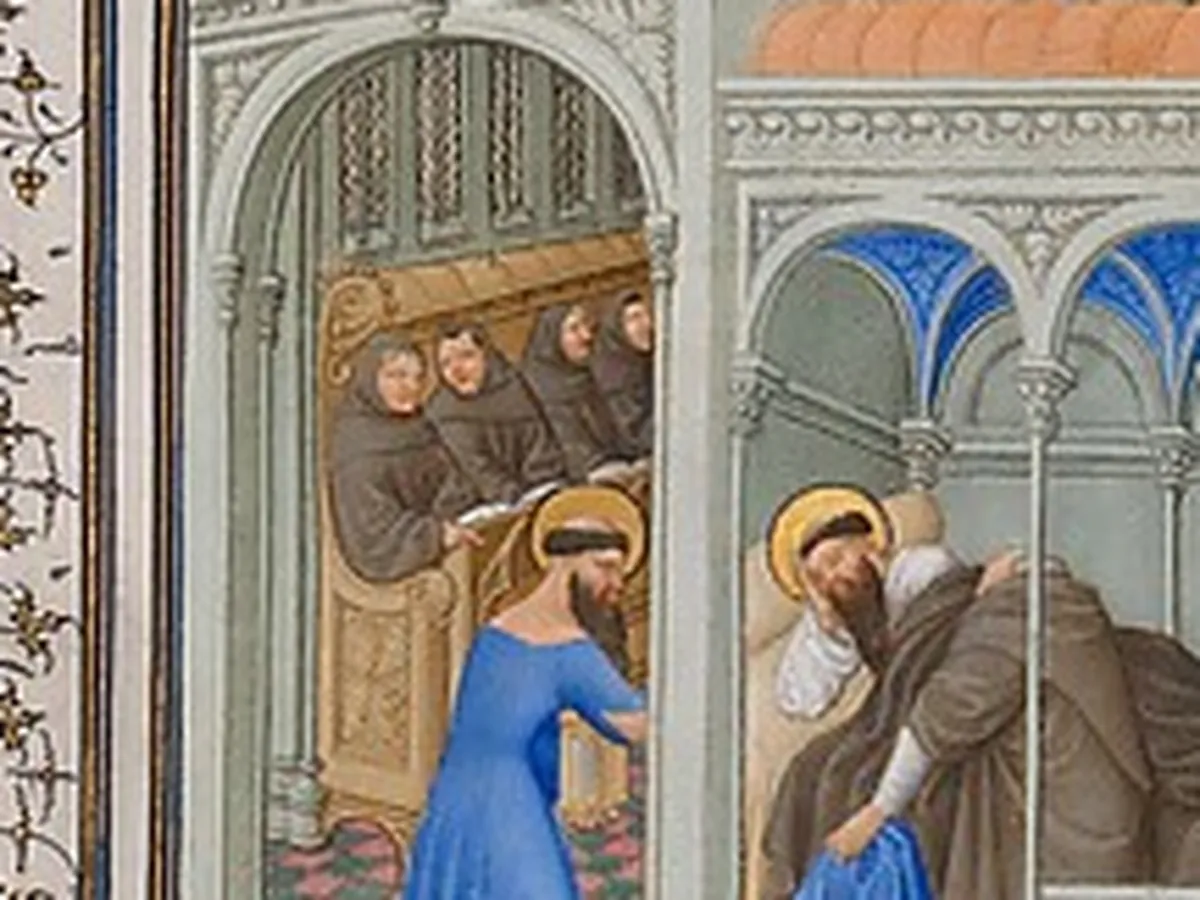
“I faked a stomach bug to escape to my hotel bed, but the alignment committee is already hovering in my doorway to ask if I have bandwidth for a quick sync.”
This panel likely features "disguised portraits" of Prince Juan of Spain and his bride, Margaret of Austria, as the biblical couple. Such hidden cameos allowed royal patrons to insert themselves into sacred history, blending political celebration with religious devotion.
These knights are engaged in a "Joust of Peace," a version of the sport using blunted lances. Far from a lawless brawl, such tournaments were highly regulated social performances designed to showcase chivalric virtue and "courtly love" to an elite, 14th-century audience.
This scene depicts the Feast of Herod. Medieval artists often portrayed gruesome biblical stories within familiar, contemporary banquet settings. This made the moral consequences of social behavior feel uncomfortably close to the viewer's own daily reality.
From a "Book of Hours," this private devotional manuscript was the ultimate medieval status symbol. The Limbourg brothers used a new, naturalistic style to depict intimate scenes, reflecting a growing cultural interest in the individual’s internal and private life.