A burning (on-fire) IT project
A fascinating look at the IT department ecosystem during a catastrophic failure.
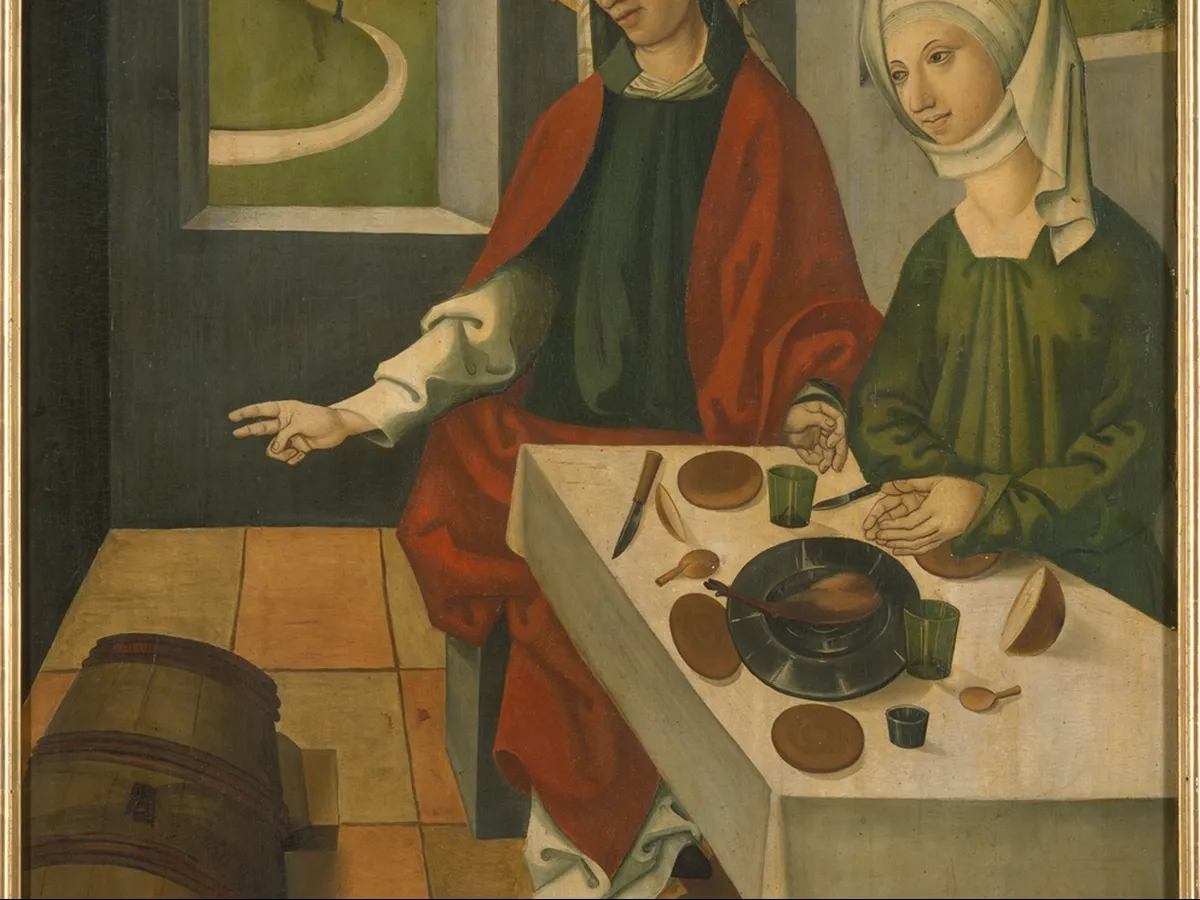
“Here we observe the Project Manager in his natural habitat, calmly assuring the client that the server barrel is full. It is, in fact, completely empty.”
“Meanwhile, a junior developer has discovered a fascinating new button. A single toot of the deployment trumpet initiates a spectacular cascade of catastrophic failure.”

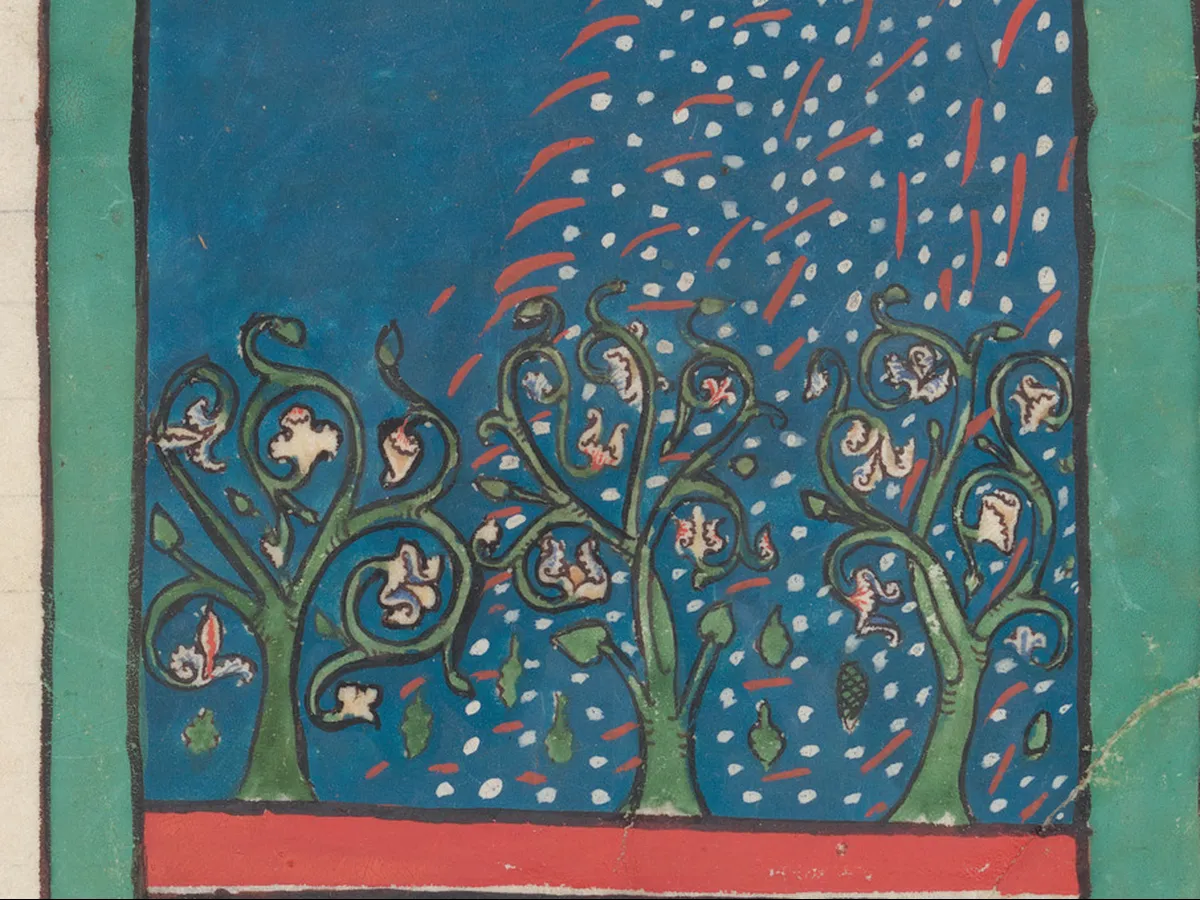
“The resulting migration error triggers a magnificent shower of burning data, sending the entire IT department scrambling for cover under the nearest available rock.”

“Remarkably, the Lead Architect has adapted to the new environment. He sits serenely in the boiling vat of the post-mortem, his hands clasped in quiet acceptance of the empty barrel.”
Saint Remigius, a 5th-century bishop, is shown performing a 'resource miracle' by replenishing a depleted wine barrel. In medieval hagiography, such stories emphasized the saint's role as a divine provider who could manifest essential supplies out of thin air to save a failing feast.
This 12th-century Spanish manuscript follows the tradition of Beatus of Liébana. These 'Beatus' books were medieval bestsellers, using bold, stylized imagery to illustrate the Book of Revelation. The trumpeting angel represents a literal 'deployment' of divine judgment upon the earth.
Created for Martin Luther’s New Testament translation, this woodcut reflects the 16th-century's intense preoccupation with the end times. Mass-produced prints like this allowed the public to visualize cosmic disasters, blending religious fervor with the era's new print technology.
Albrecht Dürer’s 1511 woodcut shows Saint John surviving a vat of boiling oil. This series was a landmark in art history—the first book both published and illustrated by the artist himself. John’s serenity in the 'hot seat' symbolizes the triumph of faith over physical catastrophe.