The Unbearable Burden of Curated Living
The dinner party started at six. Nobody has eaten. The tablescape is almost ready.

“The dinner party was called for six. It is now eight, and the host is still establishing a 'visual dialogue' between the empty plates and the tablecloth.”
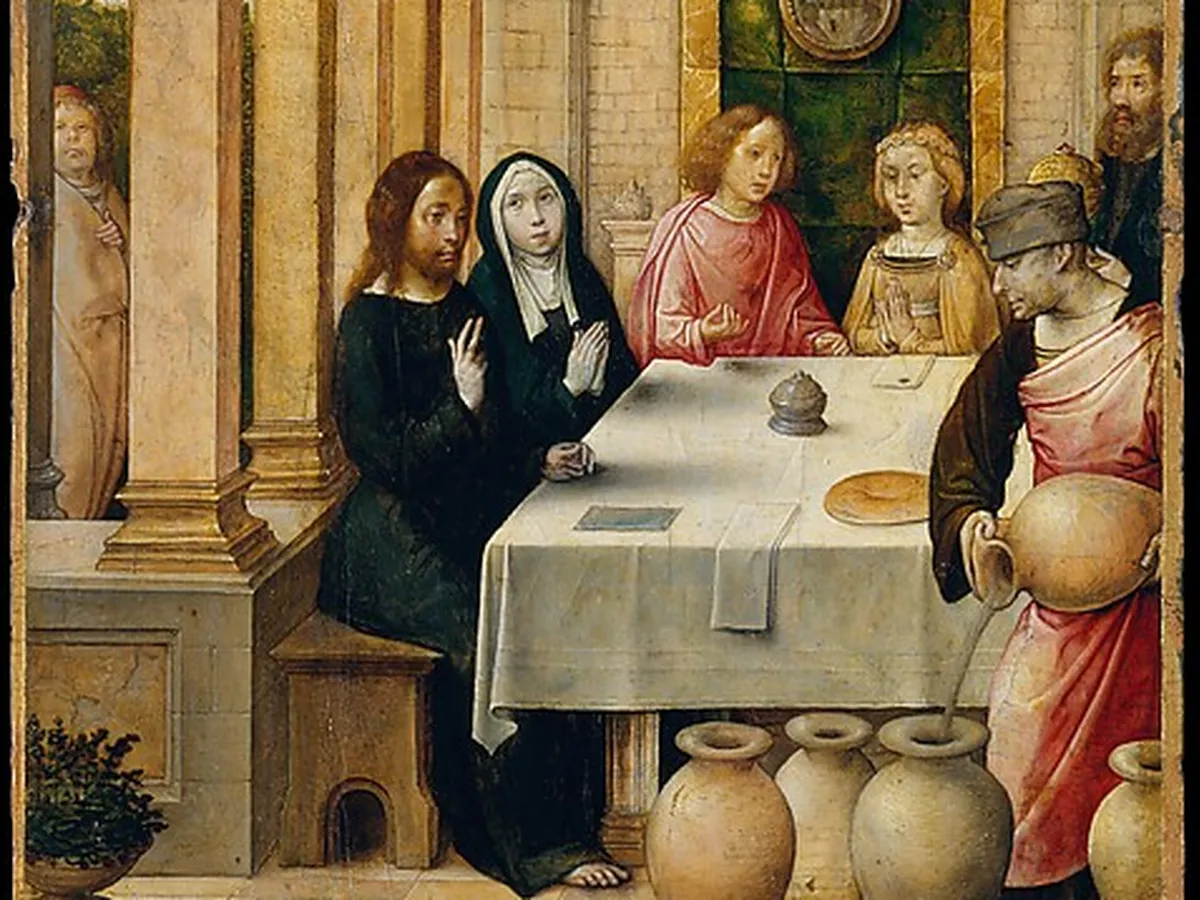
“To ensure the event video has authentic rustic energy, the caterer has been instructed to pour all tap water from a strict kneeling position.”
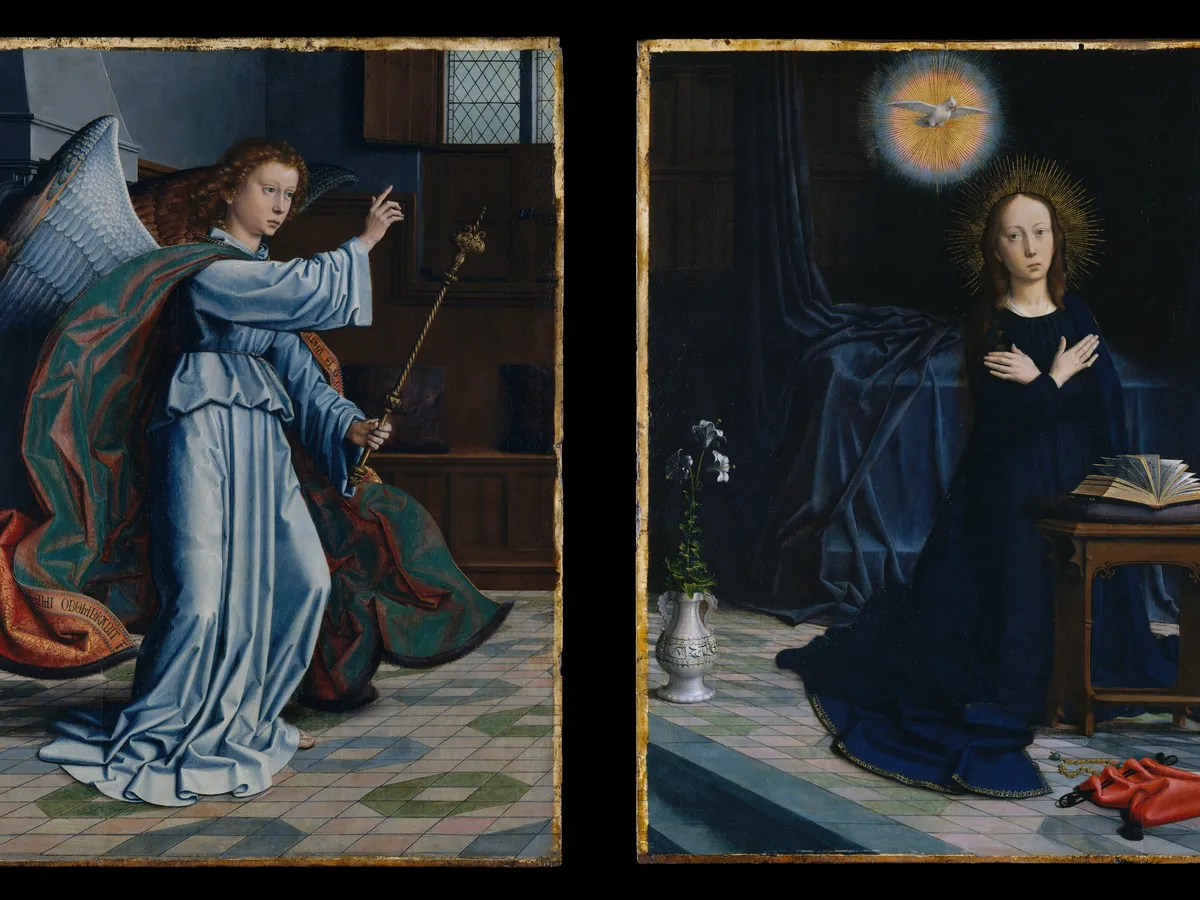
“When one guest tried to rest near the red bedspread, the lifestyle consultant burst in and pointed her to the floor to preserve the room's symmetry.”

“The remaining survivors have been issued mandatory minimalist smocks. They are currently praying for a single, un-photographed crumb.”
This miniature from a Book of Hours for Queen Isabella the Catholic depicts a typical aristocratic interior. Such books were the 'bestsellers' of the Middle Ages, used by laypeople for private prayer while doubling as status symbols featuring realistic art and expensive gold leaf.
Painted for Isabella of Castile, this scene likely features 'disguised portraits' of Spanish royals as the biblical wedding party. The intense focus on the servant pouring water highlights the era's fascination with domestic ritual and the symbolic weight of hospitality.
Part of a massive altarpiece, this scene uses a contemporary 16th-century bedroom to ground a divine event. The dramatic gestures and perspective were specifically calculated by the artist to be viewed from below by monks in their abbey church, creating a sense of physical presence.
This fragment was once part of a larger painting, likely a donor portrait. The monk’s 'tonsure' (shaved crown) and somber habit signify his vow of poverty, though the high-quality oil technique used to capture his weary expression was a luxury reserved for the wealthy elite.