The dramatic escalation of the 'man flu'
Official protocol for surviving a group trip when one person gets the sniffles.
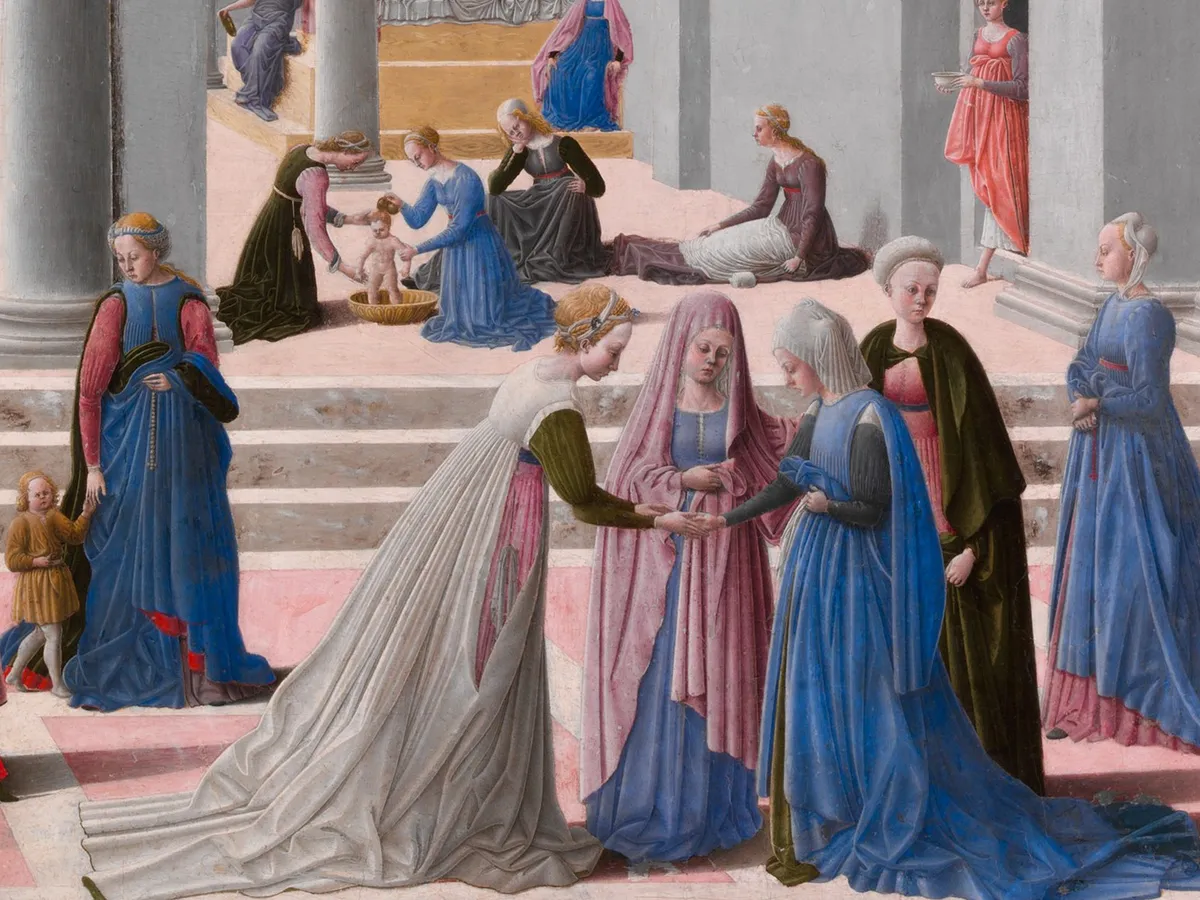
“Phase 1: The initial sniffle. While the rest of the group tries to enjoy the rental's grand architecture, you must immediately establish a tepid sponge-bath triage center in the background.”
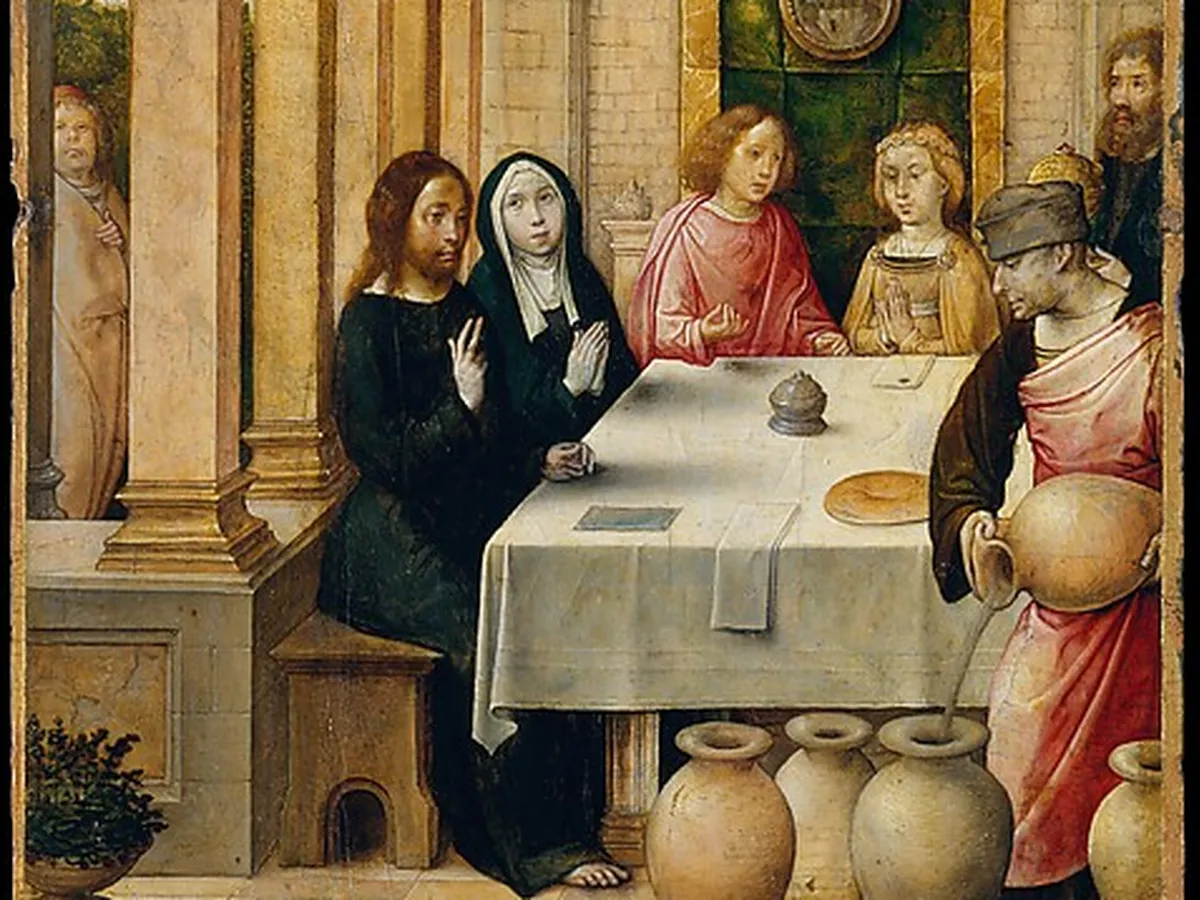
“Phase 2: The hydration protocol. The patient will refuse to speak, sitting with tightly clasped hands while you aggressively pour liquid from a jug to soothe a throat that is 'literally made of glass'.”

“Phase 3: The extraction. By checkout day, the patient's skeleton will have given up. Removing their limp body from the top bunk requires three straining adults and a wooden ladder.”
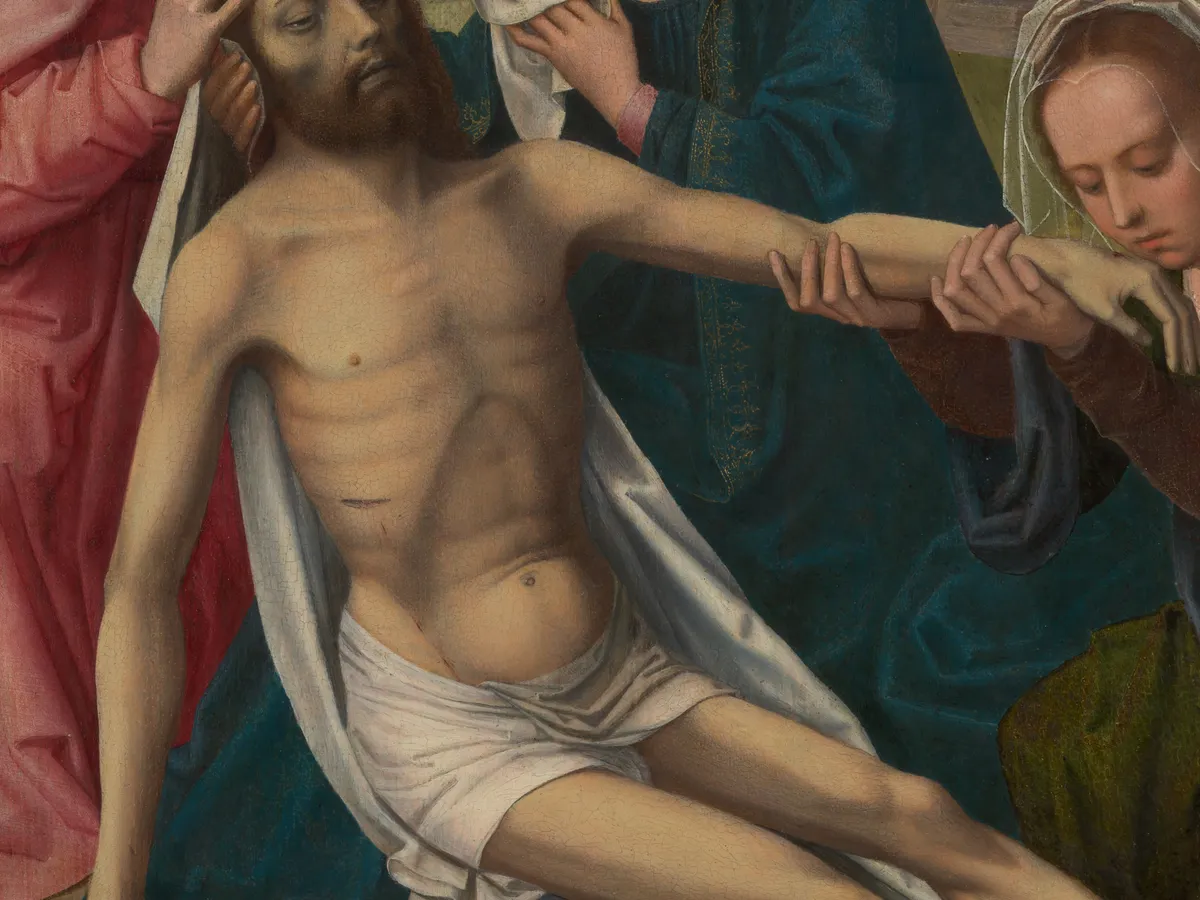
“Phase 4: Surrender. The itinerary is dead. You must now provide round-the-clock weeping for a pale, lifeless casualty of a 99-degree fever.”
Fra Carnevale broke convention by setting this sacred birth in a contemporary 15th-century palace. While the baby is bathed in the background, the foreground focuses on social greetings, reflecting how Renaissance art often prioritized architectural grandeur over the central narrative.
This panel likely features 'disguised portraits' of Prince Juan and Margaret of Austria, who married in 1497. By inserting themselves into the Miracle at Cana, the royals used sacred art to 'brand' their union with divine approval—a literal 15th-century power move.
This miniature comes from a luxury 'Book of Hours' owned by the King of Navarre. The awkward mechanics of the Descent from the Cross were a common artistic challenge, intended to make the viewer feel the physical weight and somber reality of the scene through its difficult logistics.
Ambrosius Benson specialized in these emotionally charged 'Lamentation' scenes. The extreme expressions of grief and the stark pallor of the figure were designed to provoke a visceral, empathetic response in the viewer, a technique known as 'affective piety' in late medieval devotion.